
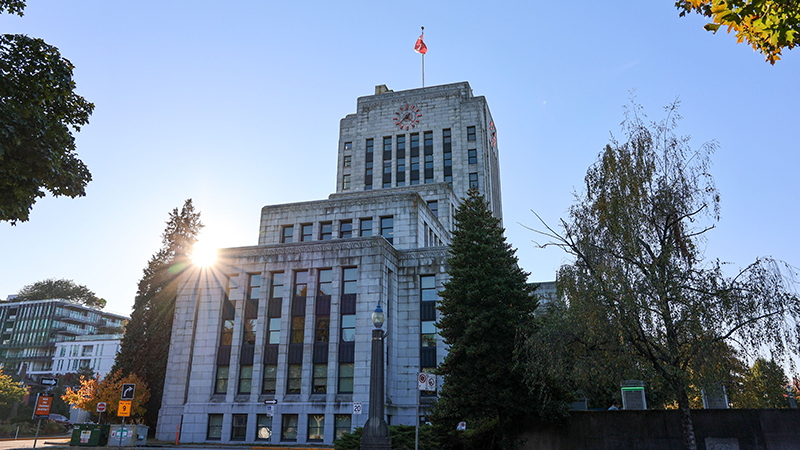
Vancouver City Hall, where the City of Vancouver approved its new development plan aimed at guiding future density and urban growth.
The City of Vancouver has officially approved a new Vancouver development plan, signaling a continued shift toward increased density and long-term urban growth.
While headlines focus on more housing and higher density, the real impact lies in what this means for property owners, investors, and future development opportunities across the city.
A Shift in Direction, Not Overnight Change
This approval reflects a broader evolution in how the Vancouver development plan approaches land use and development.
However, it’s important to understand that policy changes do not translate into immediate transformation. Development timelines remain influenced by approvals, construction costs, financing conditions, and market demand.
The opportunity is not in reacting to the announcement, but in understanding where the market is heading.
What The Vancouver Development Plan Means for Property Owners
For property owners, this shift may create new opportunities, particularly in areas where increased density is being encouraged.
Key considerations include:
- Potential for future rezoning or redevelopment
- Increased interest from developers looking for assembly opportunities
- Strategic decisions around holding versus selling
- Evaluating highest and best use of the property over time
Not every property will be impacted immediately, but many may see increased long-term potential.
What This Means for Investors
For investors, this type of policy shift opens the door to more strategic acquisition opportunities.
Rather than focusing solely on current income, there is growing importance in:
- Identifying underutilized properties
- Targeting sites with future redevelopment potential
- Understanding evolving zoning frameworks
- Positioning assets for long-term upside
This is where experience and forward-looking analysis become critical.
Where Opportunities Are Emerging
Changes like this tend to create opportunities in areas such as:
- Low-density commercial properties
- Older retail strips and mixed-use buildings
- Properties located near transit or growth corridors
- Sites that may be suitable for future land assembly
These opportunities often require a longer-term perspective, but can deliver significant value when approached strategically.
The Reality Behind the Headlines
While increased density is a key theme, there are still real-world constraints that shape how quickly development occurs:
- Lengthy approval processes
- Rising construction and labour costs
- Financing challenges
- Market absorption and demand cycles
Understanding these factors is essential when evaluating any opportunity tied to policy changes.
Looking Ahead
The Vancouver development plan reinforces the direction Vancouver is moving toward, but success in this market will continue to depend on timing, strategy, and execution.
For property owners and investors, the focus should not be on reacting to a single announcement, but on aligning decisions with where the market is heading over the next five to ten years.
Work With Truss Real Estate Group
At Truss Real Estate Group, we work closely with property owners, investors, and developers to identify opportunities and navigate market shifts like this one.
If you are holding property or considering an acquisition, now is the time to take a more strategic look at your position.
Connect with us to discuss how this change may impact your property or investment goals.